Blogs
-
Posted: April 10, 2025Read more »
Beginner's Guide to 3D Printing: What You Need to Know Before You Start
3D printing is no longer just for engineers and tech enthusiasts—it’s become one of the most exciting ways to bring your ideas to life from the comfort of your own home. Whether you’re interested in making custom tools, detailed miniatures, or unique designs, getting started is easier than you might think.
That said, there’s still a learning curve. With different types of printers, materials, and software out there, it helps to have a clear guide to walk you through the basics.
In this beginner-friendly overview, we’ll cover everything you need to know before you start 3D printing. From choosing the right printer (FDM vs resin), to the best beginner materials like PLA and PETG, to avoiding common mistakes, where you can find files to print, what tools you’ll need, and how to get the best results from day one—it’s all here.
-
Posted: May 02, 2024Read more »
Exploring 3D Printing: Resin vs. Filament
When it comes to 3D printing, two primary technologies dominate the market: resin-based printing and filament-based printing. Each method has its unique strengths and weaknesses, catering to unique needs and preferences. In this blog post, we'll delve into the pros and cons of both resin and filament printing, helping you understand which option might be best suited for your projects.
-
Posted: April 19, 2024Read more »
WASP Showcases Next-Generation 3D Printing Solutions at Exposanità 2024
Join us at Exposanità 2024 as WASP unveils groundbreaking advancements in healthcare 3D printing. Discover innovative solutions, witness live demonstrations, and explore how cutting-edge technology is shaping the future of medical manufacturing.
-
Posted: November 01, 2022Read more »
FUTURE IN THE MAKING
If there’s something the coronavirus pandemic has made abundantly clear, it is that digital education is more than just moving the classroom to Zoom. Granted, technology has saved the day in the face of “the greatest shake-up in education in a century”, but it has also highlighted startling digital divides. Not only in terms of school and student access to digital tools but also in terms of the opportunity to embed them in learning and teaching practices in meaningful ways, a recent paper has found.
-
Posted: October 28, 2022Read more »
BRING LEARNING ALIVE WITH 3D PRINTING
When the first wave of the coronavirus pandemic hit, 3D printing proved a lifesaver in shortening production chains and providing much-needed medical supplies, like nasopharyngeal swabs and protective face shields, which had quickly become in short supply. Whether or not this momentum carries over post-pandemic is uncertain. The technology has the potential to revolutionize several areas of production where customization is key, from prosthetics to running shoes. Just how to make this transformation a reality, however, is a question organizations of all sizes and industries still grapple with.
-
Posted: October 13, 2022
 Read more »
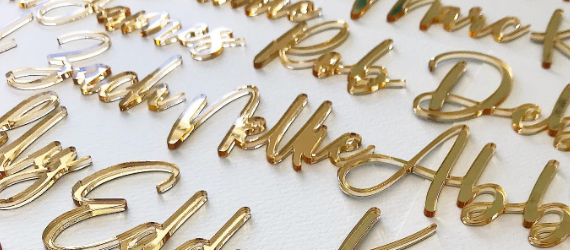
"The machine is so easy to set up and use. I previously had a Glowforge which was very user-friendly (but very unreliable, as it broke 5 times in 7 months. So, on my 5th replacement I received a refund!) so I was worried I would find the transition hard as the Flux is a lot bigger and feels more "industrial". The machine is very well built, and sturdy compared to my previous laser, so I am very confident in having this machine support my business!"
-
Posted: August 25, 2022Read more »
Karlsruhe University of Applied Sciences is a prestigious 140+ year-old university delivering advanced engineering and technical training to students entering the workforce. Students utilize METHOD X for a range of applications, from research and development to industry thesis projects.
-
Posted: April 12, 2022Read more »
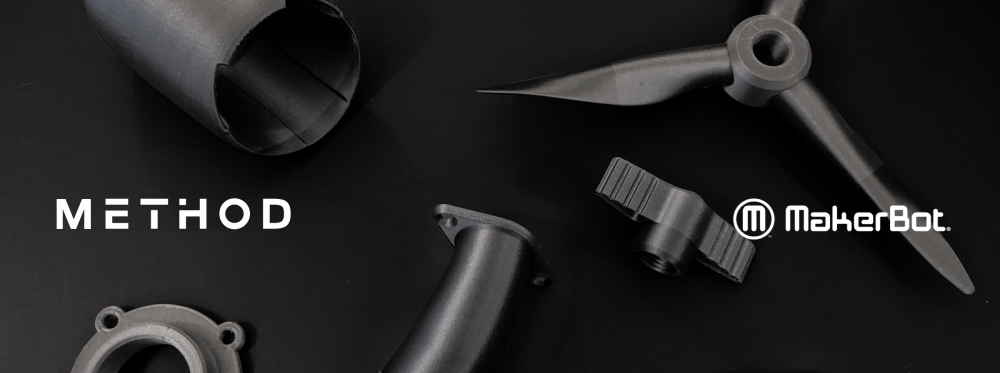
Daemon3D Print features in a blog on Manufacturing Tomorrow, read a snippet here or fill out the form below to read the full article!
'MakerBot, a Stratasys company initially set out in 2009 to become one of the first companies offering 3D printers that were affordable and available for all. The global 3D printer market has since only grown and was valued at US$12.6 billion in 2020. Rollem have used MakerBot 3D printers for a number of years but with the industry ever developing they were looking to upgrade.
Once Rollems Managing Director Stuart Murphy had decided that a 3D printer would be able to solve their issues, it was time for the much longer process of deciding which one. To answer that question Stuart would need to seek technical advice and support to ensure that he found the right printer for his requirements. Nicola Stokes, director at Daemon3D Print, and Stuart have known each other for 20 years, and they had caught up at a trade show where
Posted: February 09, 2022How Forever Rings uses Their FLUX Laser Cutter to Treasure Your Loved Ones That Have Been Lost
Read more »Forever Rings founded by Neil Slack creates rings and pendants to treasure your lost loved ones by combining their ashes with metal jewellery. Read below to find out more about how he creates his work and how he uses his FLUX laser cutter to achieve the final results.
Forever rings produce rings, necklaces, and pendants. The jewellery is fused or filled with cremation ash to give you a unique cherished memorial to a dearly beloved relative, loved one, or a fondly missed pet.
There are many different types of rings with different designs to choose from. The ring itself can be made from solid silver, damascus steel, tungsten carbide, titanium, or stainless steel. You can then choose an opal inlay or a dichrolam inlay in many different colours to make your ring even more special.
Posted: October 28, 2021Read more »
The new Method X & Labs Extruder Bundle means that with any MakerBot Method X or Method X Carbon Fibre 3D Printer, you can get a MakerBot Labs Extruder for FREE!.
The MakerBot METHOD X 3D Printer is one of the most intelligent 3D printers on the market combining industry expertise and technologies from Stratasys. Produce dimensionally accurate end-use parts (not just prototypes) that fit on the first try regardless of their complexity and can go from print to immediate use. And combined with the LABS Experimental Extruder
Method X Materials
The Method X can print with ABS, ASA, PC-ABS, and PC-ABS FR. ABS is MakerBot's toughest material, found in many common products such as LEGOS, computer keys, power-tool housings, and automotive parts. Because MakerBot's ABS doesn't have any of the extra additives added to it like most desktop ABS filaments do, It is capable of withstanding 15°C higher temperatures, is 26% more rigid and 12% stronger. And now the
Recent Posts