Atlas and the Next Leap Forward in Humanoid Robotics
Atlas and the Next Leap Forward in Humanoid Robotics
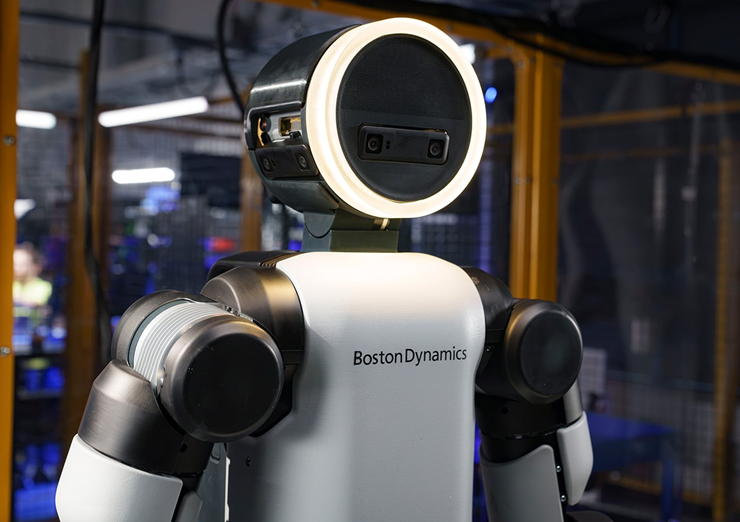
Every now and then, a piece of technology comes along that genuinely makes you stop and think, “Right… this changes things.” Boston Dynamics’ latest version of Atlas feels like one of those moments. Not because it can do backflips or run faster than before, but because it finally looks like a robot that belongs in the real world.
Atlas has always been impressive, but this new fully electric version feels different. It’s cleaner, quieter, more efficient, and most importantly, clearly designed with real applications in mind. This is no longer just a research robot built to show what’s possible. It’s a serious step toward humanoid robots working alongside humans in industrial environments.
Why Atlas Feels Different This Time
The biggest shift with the latest Atlas is intent. Boston Dynamics hasn’t just refined movement or balance; they’ve rethought how a humanoid robot should actually function day to day. The move away from hydraulics to a fully electric design is a huge milestone, making Atlas more practical, easier to maintain, and far better suited for continuous use.
The new design is also more expressive in how it moves. Atlas no longer walks like a machine pretending to be human. It moves with purpose, adapting its posture, balance, and grip based on the task at hand. Watching it pick up, rotate, and place objects feels less like a demo and more like watching the early days of a new workforce.
From Impressive Demos to Real Work
What really cements Atlas as a serious contender for the future of robotics is where it’s heading next. With plans for deployment in manufacturing environments through partnerships like Hyundai, Atlas is moving off the stage and onto factory floors. That shift matters.
Factories and warehouses are built for humans. Doors, stairs, tools, shelves, and workstations all assume a human shape and range of motion. A humanoid robot doesn’t need a redesigned environment to operate. It can step into spaces that already exist, filling gaps where automation has always struggled.
Are Humanoid Robots Dangerous?
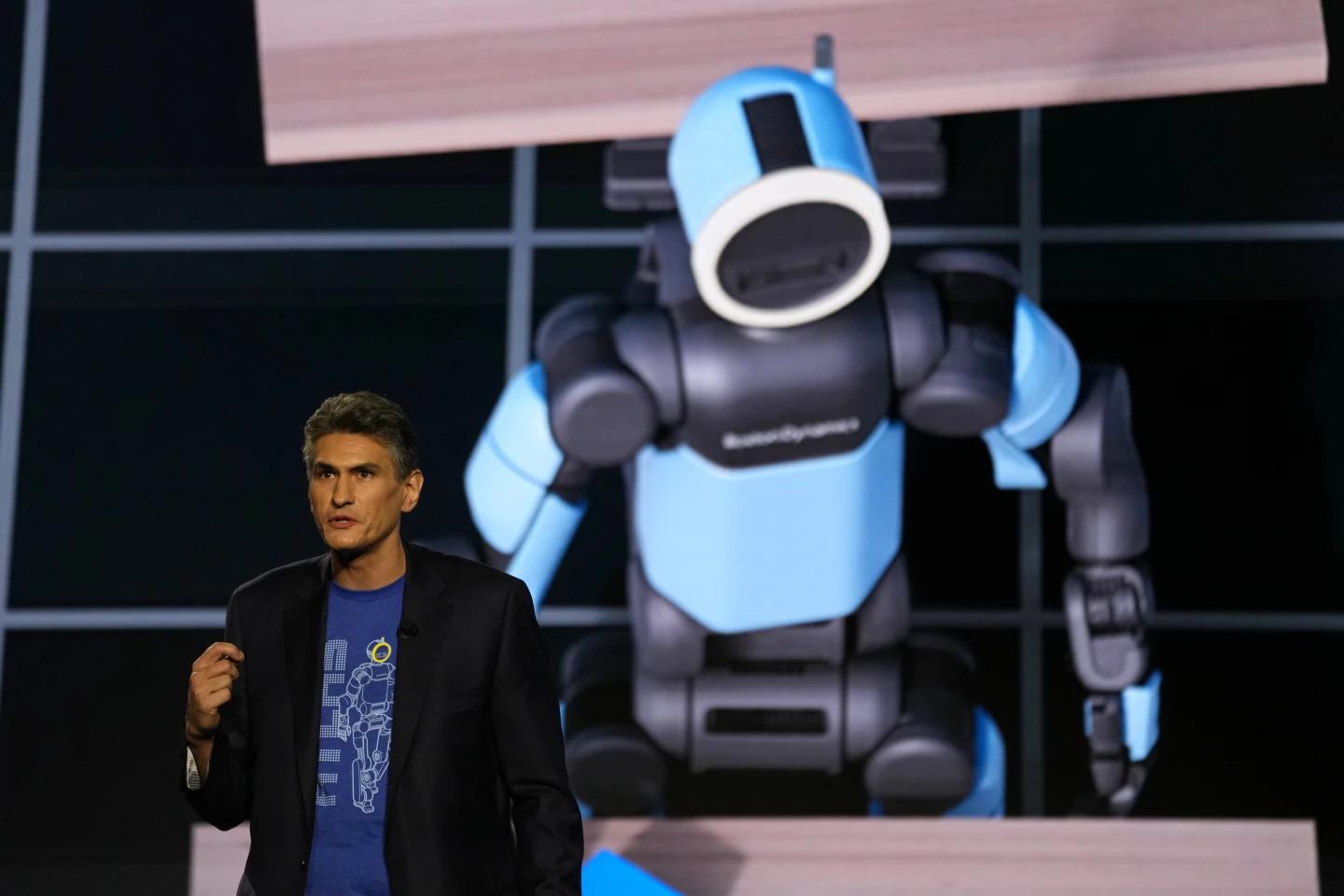
This question always comes up, and honestly, it’s a fair one. Humanoid robots look like us, move like us, and increasingly think in ways that feel familiar. That can be unsettling. But the danger isn’t in the robot itself.
Robots like Atlas don’t have ambition, fear, ego, or intent. They don’t decide to act on their own. They don’t wake up one day and choose to do harm. Every behaviour, every capability, every line of code comes from human design and human decision-making.
Humans are dangerous. Tools are not. A robot is no more inherently dangerous than a forklift, an industrial press, or a laser cutter. Responsibility always sits with the people who build, deploy, and control the technology.
The Role of AI and Decision Making
What makes Atlas particularly exciting is the integration of modern AI systems that allow it to understand context rather than follow rigid scripts. This doesn’t mean Atlas is thinking for itself. It means it can respond intelligently to changing environments, learning how to perform tasks more efficiently over time.
This is the same principle already used in countless industrial systems today, just embodied in a humanoid form. The difference is flexibility. Instead of reprogramming an entire production line, a humanoid robot can adapt to new tasks with software updates and training data.
What This Means for the Future
Atlas represents something bigger than a single robot. It represents a shift in how we think about automation. Instead of replacing humans outright, humanoid robots are far more likely to support them, handling dangerous, repetitive, or physically exhausting tasks.
That future isn’t about robots taking over. It’s about humans working smarter, safer, and more efficiently with machines designed to fit into our world, not force us to rebuild it around them.
A Genuine Turning Point
For years, humanoid robots felt like impressive science experiments. Atlas feels like a turning point. It’s still early, and there are challenges ahead, but this is the first time it truly feels believable that humanoid robots could become a normal sight in industrial settings within our lifetime.
This isn’t science fiction anymore. It’s engineering, design, and intention coming together in a way that finally makes sense. And that’s what makes Atlas so exciting.